
About and FAQ
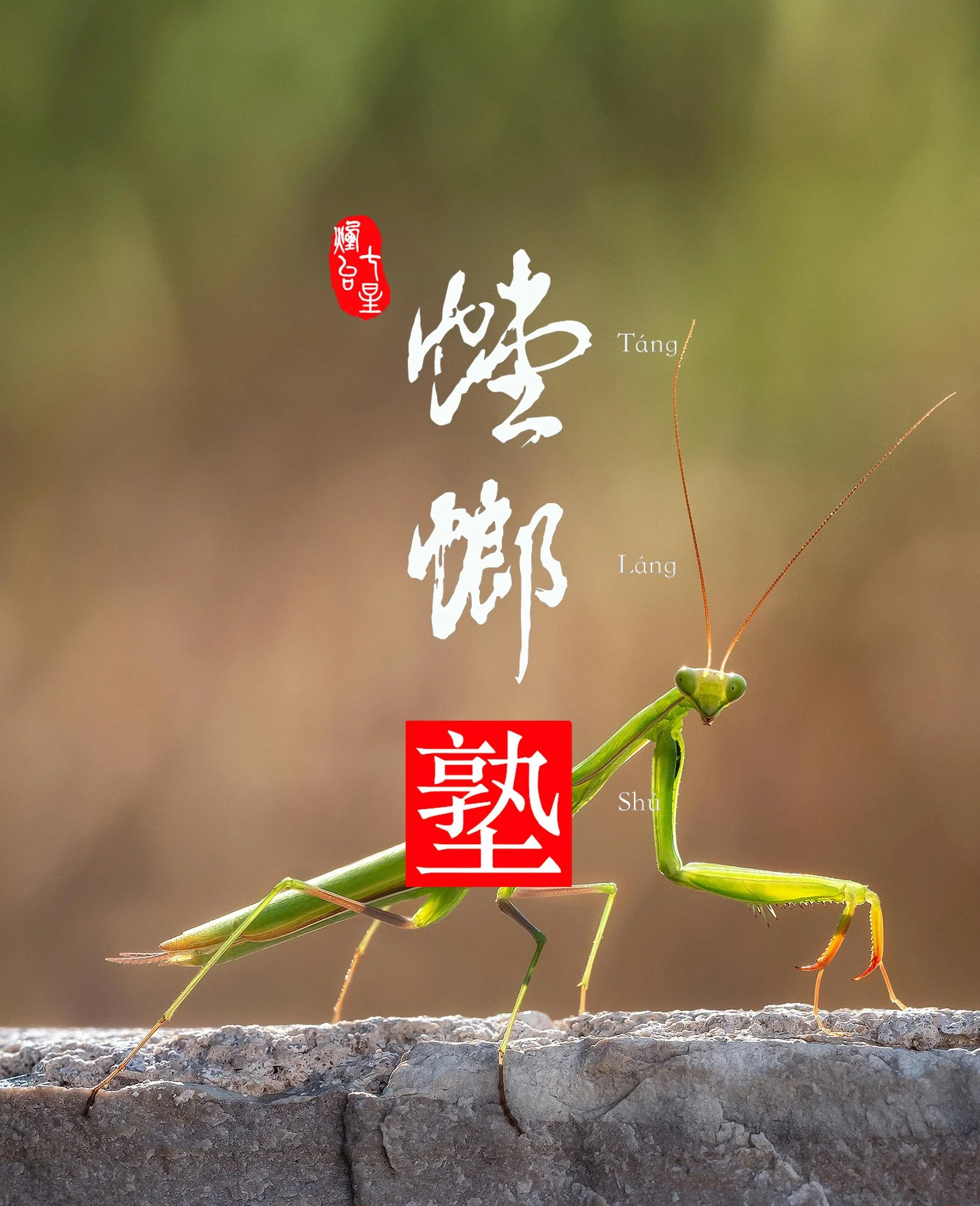
“What matters in Praying Mantis is not the outer appearance of the mantis hands. What matters is the inner quality of the mantis force.”
- Huang Weixiu 黃偉修 -
What is Táng Láng Qúan?
螳螂拳是什麼?
Seven-Star Praying Mantis is one of the principal branches of Shandong Praying Mantis Boxing. Its verifiable history begins in the Guangxu period of the Qing dynasty, when Wang Yunsheng of Yantai, Shandong received transmission of Praying Mantis Boxing — also known as Luohan Short Striking — from Li Zhijian. Wang Yunsheng had studied Changquan in his earlier years under the Taoist master Li Yichun, before receiving the Luohan Short Striking transmission from Li Zhijian. Whether traced through the content recorded in the Shaolin Zhenchuan — the classical text commonly known as the Praying Mantis manual — or through the personal martial synthesis of Wang Yunsheng himself, both lines of evidence point to the same defining characteristic of Seven-Star Praying Mantis: the integration of long-range striking (changquan) with close-range short striking (duanda).
Seven-Star Praying Mantis trains the body by linking seven key structural points: the head, shoulder, elbow, hand, hip, knee, and foot. This is concretely expressed in the signature stance known as the Seven-Star Form. An alternative account holds that the name derives from Wang Yunsheng's family hall name, Kuide Tang — for the character kui (魁) refers to the lead star of the Big Dipper, hence Seven Stars.
In terms of technical character, the hand methods form circles, turning inward and outward in continuous alternation, wrapping and sealing without interruption. The footwork forms circles, flashing and feinting left and right in an unbroken, cycling connection. Compared to other branches of Praying Mantis, the movements are relatively open and expansive — force balanced between hard and soft, at times flowing and enveloping, at times crisp and explosive. Long-range and short-range striking are woven together in tight, seamless sequence, adapting fluidly to whatever the moment demands. The northern Chinese martial character is unmistakable.
七星螳螂拳是山東螳螂拳的一個主要流派,具體可考的歷史可推至清光緒年間山東烟台王雲生得到李之箭傳授螳螂拳(又名羅漢短打)開始。王雲生早年從李義春道長學習長拳,後得李之箭傳授羅漢短打,是以無論是從更早時期俗稱螳螂拳譜的《少林真傳》一書中所記載的內容,亦或王雲生個人武學的融會傳承,在在都顯示了七星螳螂拳長拳併短打的特色。
七星螳螂拳透過頭、肩、肘、手、胯、膝、足七個人體主要結構點的串連來鍛鍊功體,其具體呈現即是世人所熟知的樁步「七星式」;又有一說是王雲生家族堂號「魁德堂」,而“魁”為北斗七星之首,故名七星螳螂。
七星螳螂拳的技術風格,手法成圓而裏外翻轉,纏封不斷;步法成圓而左右閃賺,循環相連。動作相較其他螳螂拳顯為舒展大方,勁力剛柔相濟,或纏綿,或脆快,長拳短打,貫串緊湊,順勢應變。北方武術風格極為明顯。
How does QiXing Táng Láng Shú Work?
七星螳螂塾怎麼運作?
QiXing TángLáng Shú operates similarly to an online university, like the University of Phoenix or NYU Online, with a proven effective training method. The program is subscription-based, offering both monthly and yearly billing options. Cohorts are organized into small groups of 10-20 students. Every week, at a designated time, a new pre-recorded lesson is made available for cohorts to stream and watch at their convenience. Each lesson lasts about 35-45 minutes and includes warm-ups, strength-building drills, lectures, forms, and applications.
At the end of each lesson, Shifu assigns training homework to the students. They then have one week to practice, record their homework using their phone or any recording device, and upload the videos to a privately shared Google Drive folder by the designated weekly deadline. Shifu reviews all submitted homework videos, takes notes, and provides personalized feedback through a short 5-10 minute video sent to the cohorts. This cycle repeats weekly.
There are several significant advantages to this training method compared to traditional teaching methods, whether in-person or through typical online training:
English Subtitled: Shifu speaks in his native language, with english subtitles translated by martial arts experts (not just any Enlgish/Chinese translator).
Flexible Time: Lessons are pre-recorded, allowing students to stream and watch at their convenience.
Self-Examination: By recording and reviewing their own homework videos, students can self-examine and correct mistakes, which is not achievable through traditional training methods or even by practicing in front of a mirror.
Frame-by-Frame Review: Shifu can review students' training homework frame by frame, a level of detail not possible in person. Some Shifu even take screenshots of the exact moment a mistake is made, providing valuable visual feedback for students.
Rewatch-ability: Unlike in-person teaching, where students may struggle to remember the material after class, streaming video lessons allow students to rewatch as many times as they wish.
七星螳螂塾的運作方式類似於在線大學,例如鳳凰城大學或紐約大學在線,採用經過驗證過的有效訓練方法。該計劃採用訂閱制,提供每月和每年的計費選項。學員被分成10至20人的小組。每週在指定的時間,將有一個新的預錄課程供學員按需串流觀看。每節課持續約35至45分鐘,包括熱身、力量訓練、講解、套路和應用。
每節課結束時,師父會給學生布置訓練作業。學生需要在一週內練習,並使用手機或任何錄影設備錄製作業視頻,然後在指定的每週截止日期前將視頻上傳到私人共享的Google Drive雲端資料夾中。師父會審查所有提交的作業視頻,做筆記,並通過一個5至10分鐘的短視頻為學員提供個性化反饋。這個循環每週重複。
與傳統的教學方法相比,無論是面授還是典型的在線培訓,這種訓練方法有幾個顯著的優勢:
1. 靈活的時間安排:課程是預錄的,忙碌的現代人可以按自己的時間安排觀看。
2. 自我檢查:通過錄製和查看自己的作業視頻,學生可以自我檢查並糾正錯誤,這是傳統訓練方法甚至是在鏡子前練習所無法實現的。
3. 逐幀審查:師父可以逐幀審查學生的訓練作業,這在面對面教學中是無法做到的。有些老師甚至會截取視頻中錯誤發生的精確時刻的截圖,這對學生來說是非常有幫助的。
4. 重複觀看:與實體教學不同,學生在課後經常會難以記住所教的內容。通過串流視頻課程,學生可以無限次地重複觀看。
What are the differences between Seven-Star Mantis and Other Mantis systems? Such as MeiHua, BaBu, LiuHe, etc.
七星螳螂梅花螳螂、六合螳螂、八步螳螂有何不同?
The various styles of Praying Mantis are often named according to their particular emphasis, or according to the blending with other styles into the foundational Luohan Short Striking tradition.
Seven-Star Praying Mantis is primarily integrated with Changquan, and takes its name from the Seven-Star body structural framework. Plum Blossom Praying Mantis is named for its hand techniques — varied and layered, like the dense clustering of plum blossoms. Six Harmonies Praying Mantis combines the art with Six Harmonies Boxing, Tongbei, and Pigua. Eight-Step Praying Mantis is named for its footwork patterns, drawing on Tongbei, Baguazhang, and Plum Blossom Praying Mantis.
各派螳螂拳常以其著重點的不同而命名;或以羅漢短打混合其他拳種而命名。
七星螳螂主要結合長拳,以七星式結構命名;
梅花螳螂以其手法,多變似梅花繁密貌;
六合螳螂結合六合拳、通臂、披掛拳等;
八步螳螂以步型命名,結合通臂、八卦拳、梅花螳螂等。
Shifu Huang Weixiu
黃偉修師父簡介
Huang Weixiu — Born 1974
In his early years (prior to 2002), Huang Weixiu trained primarily within the system of the Nanjing Central Guoshu Institute. Under Teacher Fu Shuyun he studied Taijiquan, Xingyiquan, Baguazhang, and Chaquan; under Teacher Zhou Baofu he studied Changquan and Praying Mantis.
After 2002, he studied Hong’s Chen-style Taijiquan under Teacher Li Enjiu in Jinan, and in 2004 was awarded an instructor's certificate in the Chen-style Hong School by Master Li. In 2006 he became a disciple of Teacher Zheng Xianqi to study push-hands, and has continued studying the internal cultivation methods of Taiji under Teacher Shen Shenyan to this day.
In 2005 he traveled to Yantai to seek instruction in Praying Mantis from Teacher Zhong Lianbao, and in 2009 began formal training in Yantai Seven-Star Praying Mantis. Following the traditional saying — a teacher watches the student for three years, and the student watches the teacher for three years — he was formally accepted as an inner-door disciple of Master Zhong in 2015.
He currently serves as Taiwan Branch President of the Zhong Lianbao International Qixing Tanglang Kung Fu Federation (I.T.K.F.).
黃偉修(Weixiu Huang)1974年生
早期(2002年以前)主修南京中央國術館體系武術 ,從傅淑雲老師習太極拳、形意拳、八卦掌、查拳;從周寶富老師習長拳、螳螂拳。2002年之後,從濟南李恩久老師學習陳式洪派太極拳,2004年獲李師頒發陳式洪派教練員證。2006年拜入鄭顯氣老師門下學習推手,又從沈慎言老師學習太極內功心法至今。2005年赴烟台求教螳螂拳於鍾連寶老師,2009年正式學習烟台七星螳螂拳。師看徒三年,徒看師又三年,2015年始拜入鍾師門下為入室弟子。現任鍾連寶國際七星螳螂功夫聯合會(International Qixing Tanglang Kung Fu Federation,簡稱I.T.K.F.)台灣分會會長。
Condensed program
濃縮訓練
Traditionally, TángLáng Qúan training would take at a decade or longer to developed decent TángLáng Qúan skills. In the modern days, the martial scene is no longer the same as the old days. It is rare and difficult for general martial arts enthusiasts (non-professionals) to dedicate 10+ years of time to follow the traditional training procedures under a master... We carefully examine the traditional curriculums and training methods, combined with modern training mindset. We designed an optimized curriculum that only teaches the “real stuff”(in which are usually the hard and not so fun stuff) within a condensed training timeline. With the goal to pass down the correct knowledge of authentic traditional TángLáng Qúan,
傳統上,螳螂拳的訓練需要十年甚至更長時間才能培養出像樣的螳螂拳技能。然而,在現代,武術界已經與過去大不相同。對於一般的武術愛好者(非專業人士)來說,很難再像過去那樣,花費十年以上的時間在師父的指導下遵循傳統的訓練程序。我們仔細研究了傳統教材和訓練方法,結合現代的訓練理念,設計出一套優化的課程,僅教授“真材實料”(通常是艱難且不那麼有趣的內容),並在縮短的訓練時間內完成。目標是傳承正宗傳統螳螂拳的正確知識。
Who is TángLáng Qúan Shu for?
什麼人適合加入七星螳螂拳塾?
Basically anyone who has a passion in TCMA, for all ages and gender. TángLáng Qúan’s biomechanics is complementary to other styles and even sports and dance arts. However, TángLáng Qúan training is intensive on the lower body strength development, especially on the knees. If you have previous knee injuries, please notify Tsáng Wǔ Gé admin before begin lessons.
基本上,任何對中國傳統武術(TCMA)有熱情的人,無論年齡和性別,都可以參與。螳螂拳的運動力學可以與其他武術流派、甚至是運動和舞蹈藝術相輔相成。然而,螳螂拳訓練對下肢力量的發展要求很高,特別是對膝蓋。如果您有過膝蓋受傷的經歷,請在開始課程前通知藏武閣的管理人員。
Is TángLáng Qúan practical?
七星螳螂拳能實戰嗎?
It depends on the lineage of the TángLáng Qúan being studied. Some TángLáng Qúan focuses on performance and competition. The TángLáng Qúan passed down from Yantái, Shandong, however, centers its techniques on striking, grappling, throwing, and joint locks applications, all aimed at practical combat. This emphasis on practicality has led it to be known as the combat kungfu.
要看所學螳螂拳之傳承脈絡,有的螳螂拳是以表演競技比賽為主,黃偉修老師所承襲之煙台螳螂拳,則以技擊中的點、打、摔、拿應用為其技術觀念核心,主張武術必須實用。
What to expect at the end of the program?
第一階段上完預期成果
Through the courses of TsangWuGe Praying Mantis Academy, discover the physical and cultural wisdom embedded in traditional martial arts. Every ache earned in training is a conversation with your own body; every technique, in its application, is an act of respect toward another's. Every breath is bound to the rhythms of nature and the universe. Through this practice, strengthen the body — and bring harmony to body and mind alike.
透過螳螂塾的課程,了解傳統武術蘊含的身體與文化思維。每一次的練功痠痛,都是跟自己身體的對話;每一招的應用背後,都是對他人身體的尊重;每一個呼吸,都與宇宙、自然息息相關。由此強健體魄,圓滿身心。
What is Tsáng Wǔ Gé?
藏武閣是什麼?
Are you concerned about the potential extinction of quality traditional Chinese martial arts? We need your support to help preserve this beautiful art form. Please read on:
The decline of traditional martial arts, along with the mutual disdain and backbiting between different schools, has resulted in a highly fragmented martial arts community despite the many enthusiasts. Those who are dedicated can only teach and pass on their knowledge on their own. As a traditional martial artist, I suddenly felt a strong sense of mission. I decided to use my years of experience in running a marketing company to extend the successful operational model of BajiShu to other excellent martial arts styles. By collaborating with top-notch young traditional martial arts instructors and leveraging the advantages of our generation—technology—we aim to establish a sustainable framework for the transmission of traditional martial arts.
Thus, "Tsáng Wǔ Gé" (The Vault for Martial Arts) is based on the concept of the Central Guoshu Institute of the past, bringing together the best martial artists in a united effort. Our goal is to recreate a sustainable martial arts society(WûLín), one without mutual slander, secrecy among masters, or the "ten years to master one move" mentality. We envision an organized, professionally managed, and modernized WûLín.
With the primary goal of establishing correct knowledge and training methods for traditional martial arts. The promotional approach of Tsáng Wǔ Gé does not conflict with the efforts of traditional instructors; it will only help to preserve more martial arts talent and expand the market potential of traditional martial arts. This year, we have collaborated with Master Han Jixiang of "Han Men Martial Arts Group" to launch the "Cháng Quán Shú,”(Long Fist Academy) enabling enthusiasts around the globe to systematically learn authentic traditional Cháng Quán. This is not the exaggerated movements seen in martial arts performances or just a basic training routine; it is a profound traditional martial art with real combat value. Following the launch of the Cháng Quán Shú, we will work with top traditional martial arts instructors to successively introduce academies for Shuai Jiao, Wing Chun, Mantis, Xing Yi, Bagua, Hong Gar, JookLum, DaQiang, and other excellent traditional Chinese martial arts systems. We will also offer many related elective courses such as "Herbal Hall," "Acupuncture Hall," and "Martial Arts Language Hall," which will complement the training at each academy.
Tsáng Wǔ Gé is a significant project that requires initial funding to support its operation from the pre-production stage through the first six months. If you, esteemed martial arts seniors and fellow enthusiasts, resonate with the concept of Tsáng Wǔ Gé, we kindly ask for your generous support, no matter how small. Every little bit helps! We also welcome any suggestions and connections you might offer. Thank you!
For more detailed project information and donation methods, please visit the following link:
你喜歡傳統武術嗎?你覺得傳統武術正在慢慢的走入歷史嗎?
由於傳統武術的勢微及門派間的互相鄙視和扯後腿現象,即便熱愛武術的人雖多,但「武林」卻無法團結,導致力量分散,各家老師教練們只能各自默默教學傳授。身為傳武人的我,感受到一股使命感,利用我多年經營行銷公司的經驗,將八極塾的成功運作模式複製到其他優良拳種;與頂尖的傳武老師合作,利用我們這個世代的科技優勢來為傳武的傳承設立一個永續框架。
「藏武閣」因此而誕生!
藏武閣以當年「中央國術館」的概念為基礎,萬眾一心,將各家高手齊聚一堂。藏武閣的目標是重新創建一個能永續發展的「武林」,一個沒有相互謾罵、師父拿藝、十年練一劍的「武林」,一個有組織性、有品牌經營手法、一個能跟時代接軌的「武林」!
藏武閣從網路開始,以建立正確傳武訓練的方法及觀念認知為基本目標。「藏武閣」的推廣方式志在儲備更多傳武的人才資源,拓展傳武的市場潛力,並不會與傳統的傳授模式產生重疊或衝突,只會相互助益。
今年我們與「韓門武集」的韓基祥老師合作推出「長拳塾」,讓全世界能有系統地學習正統的「長拳」。這不是武術表演中動作誇張的長拳,也不是只能當作初級練習套路的長拳;而是有深度、有技擊價值的優良傳統武術。繼「長拳塾」推出之後,我們將會陸續與各家頂尖傳武老師合作,推出「摔跤塾」、「詠春塾」、「螳螂塾」、「形意塾」、「八卦塾」、「洪拳塾」、「竹林塾」、「槍道塾」等優良傳統國術拳種體系。除此之外,藏武閣也會提供許多相關選修課程,如:「本草堂」、「針灸堂」、「武語堂」等。這些選修課將與各「塾」的研習相輔相成,進而達到「藏武閣」傳承傳統武術及推廣文化的終極目標!
我相信「藏武閣」將會是改變武林生態的轉淚點。我們的團隊需要一筆啟動資金來支持前期準備到六個月的運作資金。如果各位武林前輩和同好武友認同「藏武閣」的理念,請慷慨解囊。無論多少,只望積少成多!我們也歡迎各種意見和人脈介紹,感謝大家的支持!
以下的連結網站有更詳細的企劃說明影片與捐款方式:
For any questions, email TsandWuGe administrator at: admin_vmei@tsangwuge.com